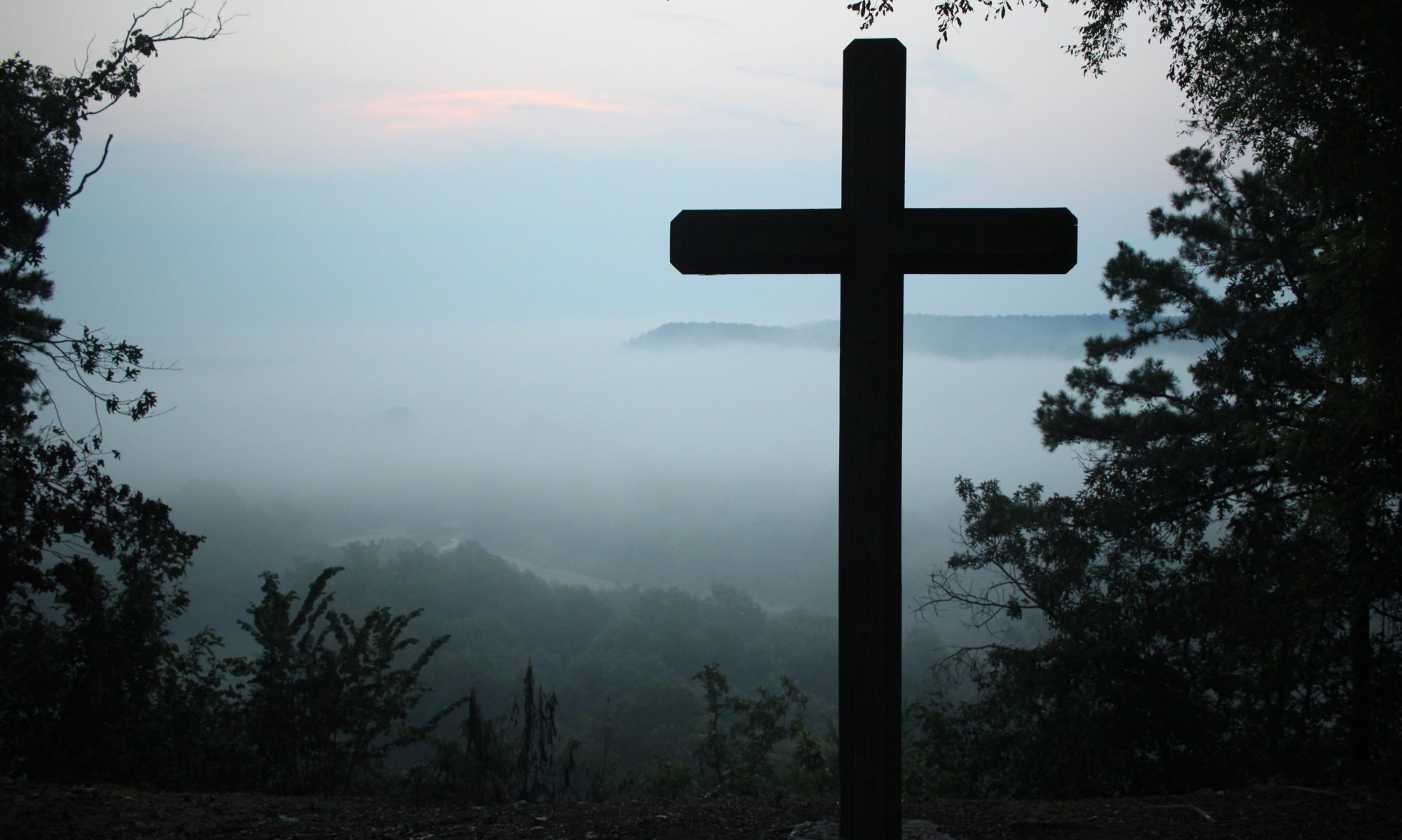

I know what it is to be in need, and I know what it is to have plenty.
Summary: Paul’s words in this passage provide a prompt for meditating on what it means to need the Word of God.
As we make our way through the last verses of Paul’s letter, it is a good time to consider why we are doing this.
Why take the time to meditate on such small passages from Paul’s letter?
The answer is this: Because it is not just “Paul’s letter.”
The God of the Universe, the Creator of All Things, has seen fit to provide us with an instruction manual for life. How he managed to do it is a subject of conjecture for many people. Yet, in the end, it doesn’t really matter.
It doesn’t matter if Moses wrote the first five books of the Bible or if a monk sitting on top of a mountain somewhere did. It doesn’t matter if Daniel wrote his book of the Bible, or if he had a Babylonian scribe write the words for him.
I know — I’m being flippant.
Some people think it matters a lot. They believe that they have a “need” to know. The problem is that we all — each and every one of us — live in a time bubble. We can “know” what we experience directly, but everything outside of that bubble is based on conjecture.
Everything, from Newton to Aristotle, from Shakespeare to Einstein, must be taken on faith by people who didn’t know them personally.
Yes … I know. Certain things have achieved the level of “belief” because there is a wide consensus that they are “true.” In the same way, many things throughout history have been believed to be impossible because they are not true … until they are.
Remember the “truth” about airplanes before they were invented. The consensus was that “Man will never fly!” Then the Wright Brothers came along, and before you know it, people were flying all over the place.
When Paul says, “I know what it is to be in need,” I understand him to be referring to physical need. He knew what it was to be hungry, cold, wet, lonely, etc.*
Those who argue about the Bible’s origins have a different kind of need. They have a need to “know” things they cannot know. The author of Hebrews famously tells us, “Now faith is confidence in what we hope for and assurance about what we do not see” (Hebrews 11:1). Paul explains it simply: “All Scripture is God-breathed…” (2 Timothy 3:16).
God breathed …
That is exactly how God created Adam — he breathed the breath of life into him (Genesis 2:7).
We are not reading Paul’s words here. We are reading the breath of life! Breathe deep!
Application: Our true need is for life.
Food for Thought: Where is the line between knowing about the Bible, its history, and how it was made, and believing the Bible?
*2 Corinthians 11:16-12:10
Where is the line between knowing about the Bible, its history, and how it was made, and believing the Bible?
God reveals Himself to us through His Word. His Spirit makes contact with our spirit. The natural and intellectual takes a back seat to the supernatural and spiritual.
1 Corinthians 2
10 these things God has revealed to us through the Spirit. For the Spirit searches everything, even the depths of God. 11 For who knows a person’s thoughts except the spirit of that person, which is in him? So also no one comprehends the thoughts of God except the Spirit of God. 12 Now we have received not the spirit of the world, but the Spirit who is from God, that we might understand the things freely given us by God. 13 And we impart this in words not taught by human wisdom but taught by the Spirit, interpreting spiritual truths to those who are spiritual.
God knows our hearts and knows the right moment to turn knowledge into belief. We are then given the choice to declare that belief and be given faith. Jesus is the founder and perfecter of our faith.
Hebrews 12:2
2 looking to Jesus, the founder and perfecter of our faith, who for the joy that was set before him endured the cross, despising the shame, and is seated at the right hand of the throne of God.
Romans 10:17
17 So faith comes from hearing, and hearing through the word of Christ.
Ephesians 2:8-9
8 For by grace you have been saved through faith. And this is not your own doing; it is the gift of God, 9 not a result of works, so that no one may boast.
I believe that God gives everyone this opportunity.
2 Peter 3:9
9 The Lord is not slow to fulfill his promise as some count slowness, but is patient toward you, not wishing that any should perish, but that all should reach repentance.
Thank you, Chris!
I really like the way you said this:
“God knows our hearts and knows the right moment to turn knowledge into belief.”
I think I understand what you are saying, but there is a place for making a defense of the words of Scripture. I think you agree with that statement. We want people to think critically and engage them to consider the truth of God’s word. That is a part of evangelization. Ultimately only God can change a heart – but we have a responsibility to others to provide answers in a respectful manner. But no answer we have replaces a faith relationship with Jesus.
1 Peter 3: 15: But in your hearts revere Christ as Lord. Always be prepared to give an answer to everyone who asks you to give the reason for the hope that you have. But do this with gentleness and respect.
Colossians 4: 5 – 6: Be wise in the way you act toward outsiders; make the most of every opportunity. Let your conversation be always full of grace, seasoned with salt, so that you may know how to answer everyone.
Where is the line between knowing about the Bible, its history, and how it was made, and believing the Bible?
I believe that there is no line. God is real, the bible is the word of God, God had His hand on it the whole time. After that then the rest is examples of how God had His hand on it. How it spread, how it survived, how it speaks to the hearts of people, how it has been translated and shared.
2 Corinthians 4:6
2 Timothy 3:16
Good point T
Thank you, Rich!
Of course, I agree. If no one stands up for Scripture, it would certainly have less impact. Your summation hits the sweet spot: “But no answer we have replaces a faith relationship with Jesus.”
Amen!
Amen brother
Where is the line between knowing about the Bible, its history, and how it was made, and believing the Bible?
Do we carry it to church, read it ocassionally, or do we seek God, ask for His power to apply the truths revealed in His word to our lives? If we have chosen to believe the Bible, then we know it has been written by men as directed by God.
Genesis 1:27-28, 27 So God created mankind in his own image, in the image of God he created them; male and female he created them. 28 God blessed them and said to them, Be fruitful and increase in number; fill the earth and subdue it. Rule over the fish in the sea and the birds in the sky and over every living creature that moves on the ground.
In the first chapter of Genesis we are told how we were created in Gods image. Perfect, sinless beings, in a perfect sinless world, blessed by God to rule over a perfect world. We made a choice and were separated from God.
God has always known the exact moment each and every person on earth will choose to live by or reject His truths as they have been revealed in our hearts. However we don’t know until we actually act on His many revelations of truth. We must each make our own individual decision which will determine everything from that moment on.
James 1:22 Do not merely listen to the word, and so deceive yourselves. Do what it says.
1 Timothy 7-8, Have nothing to do with godless myths and old wives’ tales; rather, train yourself to be godly. 8 For physical training is of some value, but godliness has value for all things, holding promise for both the present life and the life to come.
Thank you, Ron!
It is an individual decision! That is what makes faith so personal and exciting! 🙂